Black Water Damage in Westport: Category 3 Cleanup
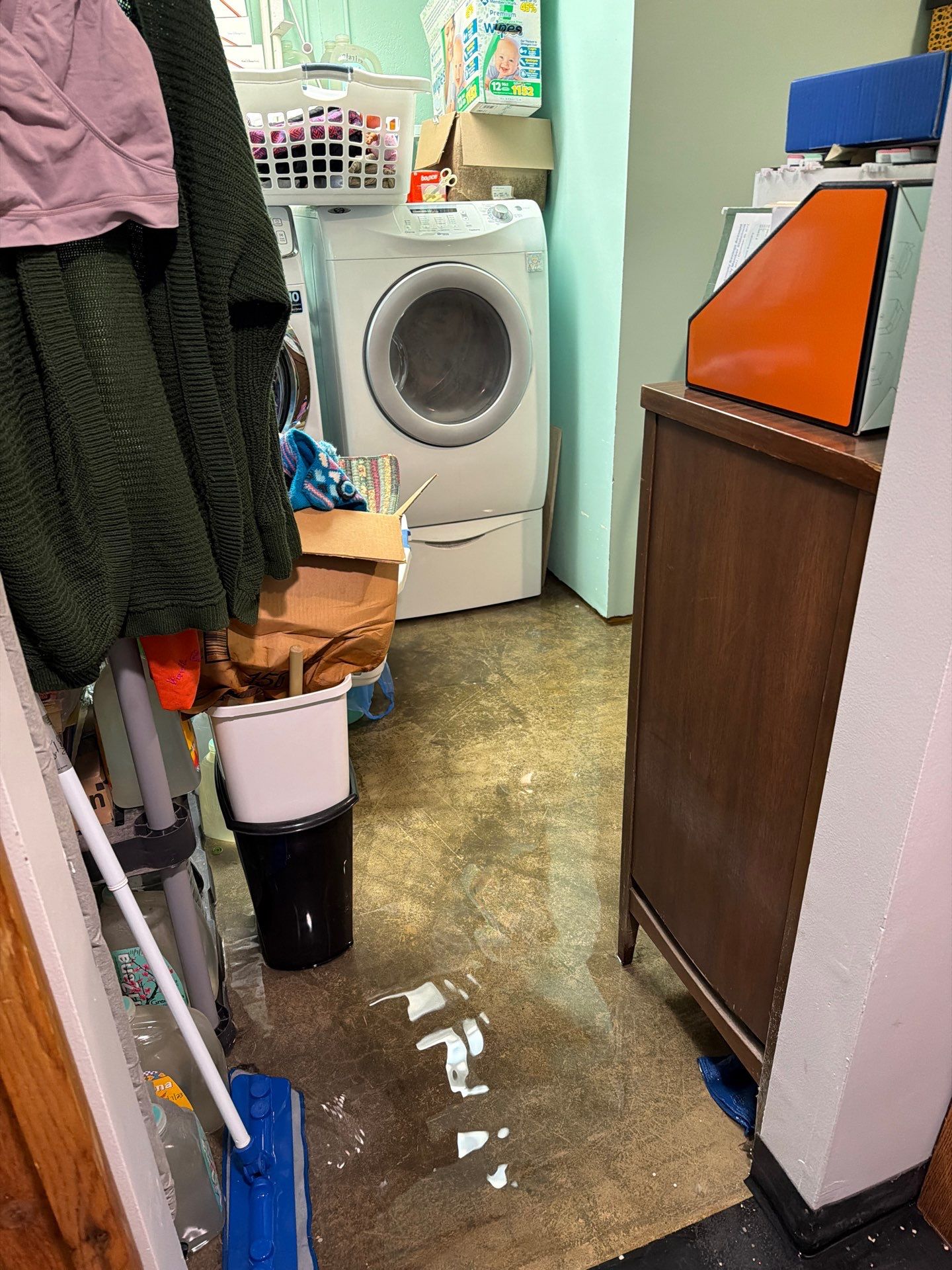
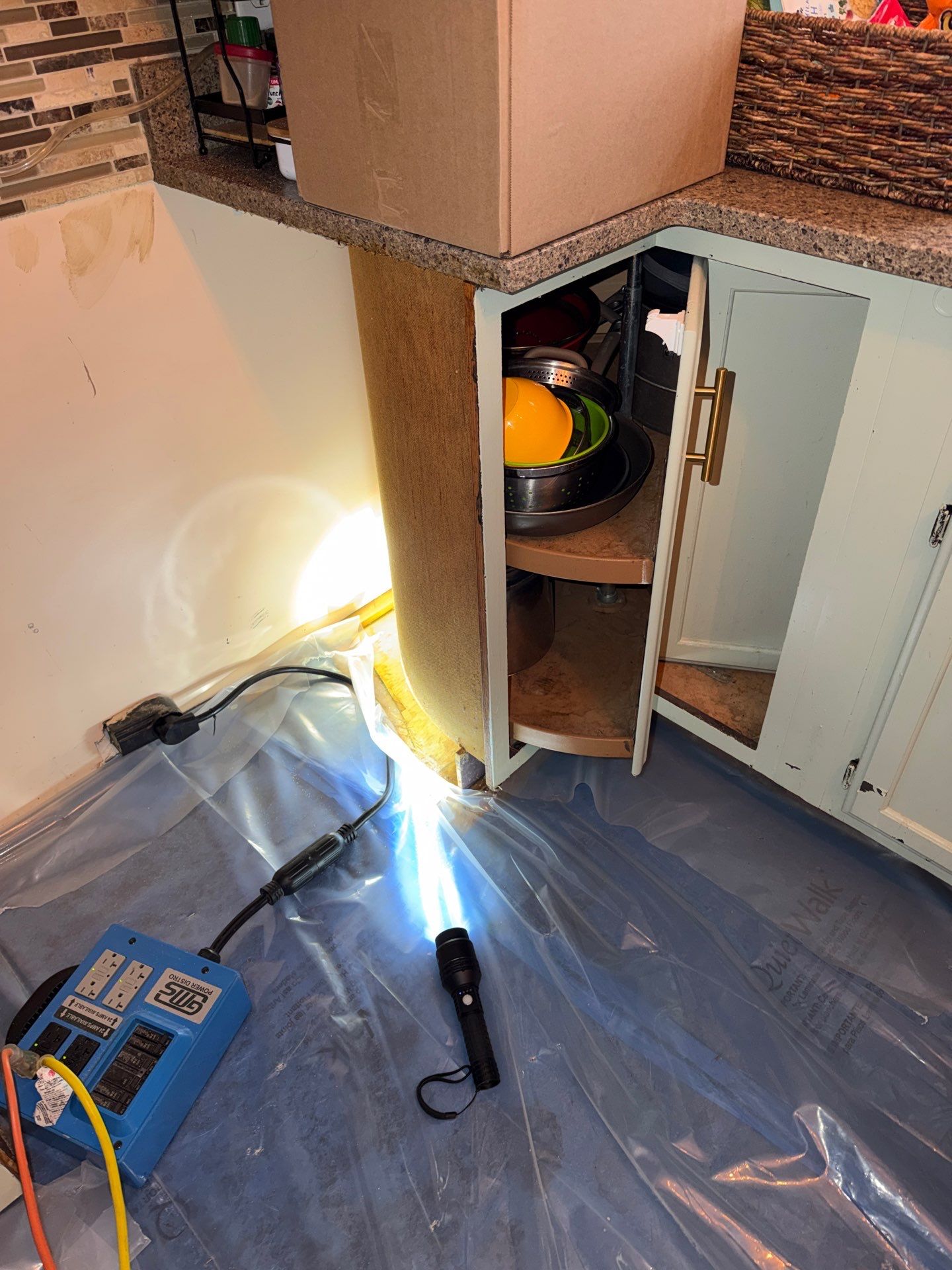
It usually starts with a smell. A Westport homeowner walks into the basement to grab laundry detergent and stops three steps down because something is wrong with the air. Then the eyes catch up with the nose, and there it is: dark water spreading across the slab, creeping toward the furnace, soaking the bottom row of cardboard boxes that held the Christmas decorations. That moment, that pit in your stomach moment, is what we get called about almost every week at Westport Water Restoration. Black water, also called Category 3 water under the IICRC S500 standard, is the most dangerous type of water intrusion a property owner can face, and it does not wait for business hours.
We founded Westport Water Restoration in 2018, hold an A+ rating with the BBB, and run IICRC certified crews across central Indiana. If your situation is a true Category 3 event, we will tell you exactly what that means for your home, your insurance claim, and your family's health. If we look at your loss and decide it is actually a Category 2 grey water issue that you could handle with a wet vac and a fan, we will tell you that too. Honest answers cost less than a sales pitch, and in a sewage emergency in Westport, you do not have time for either one.
Quick Answer: What to Do Right Now
Black water (Category 3) contains sewage or floodwater contaminants and requires professional remediation under IICRC S500 guidelines. Evacuate the area, shut off the water source if safe, do not run HVAC, and call a certified restoration company within the first 24 hours to prevent mold growth and structural loss.
Your First 10 Minutes
- Get people and pets out of the affected rooms
- Shut off the main water valve if a supply line caused the backup
- Turn off HVAC so contaminants do not spread through ductwork
- Do not flush toilets or run sinks on the affected level
- Photograph everything before anyone moves it, for your claim
- Call your insurance carrier and a certified restoration company
What Not to Do
- Do not attempt DIY extraction with a household wet/dry vacuum (the exhaust aerosolizes pathogens)
- Do not use bleach as a primary disinfectant on porous materials (it does not penetrate and creates toxic vapor risk)
- Do not walk between contaminated and clean areas without removing footwear
- Do not run fans before extraction, as airflow spreads droplets onto unaffected surfaces
- Do not eat, drink, or smoke in the affected zone
Call Before the Damage Compounds
Every hour that black water sits in your Westport home, the cost of restoration climbs and the health risk to your family grows. The crews at Westport Water Restoration answer the phone around the clock, give you a straight assessment, and start work the same visit when conditions allow. If we are not the right call for your situation, we will point you toward who is. That promise has guided us since 2018, and it is why our neighbors across central Indiana keep our number saved before they ever need it.
Cost Ranges and Insurance in Westport
Most Category 3 jobs in central Westport fall between $4,500 and $16,000 depending on square footage, how far the contamination spread, and whether the subfloor has to come out. A small toilet overflow contained to one bathroom may run $2,800 to $4,500. A finished basement with sewer backup across 1,000 square feet often runs $12,000 to $25,000.
Insurance Notes
- Sudden sewer backup is usually covered only if you carry a sewer/water backup endorsement
- Standard HO-3 policies typically exclude flood and groundwater
- Document everything: photos, video, an itemized contents list
- Get the loss reported within 24 hours to avoid claim friction
- Keep receipts for hotel stays, meals, and replacement clothing if displaced
- Ask your adjuster whether ordinance or law coverage applies for code upgrades
If the source was an overflowing fixture, our guide to toilet overflow Category 3 water removal covers the specific steps for that scenario, and the sewage cleanup service page outlines our full response process.
Preventing the Next Category 3 Loss
- Install a backwater valve on the main sewer line (especially for basements below street grade)
- Replace sewer ejector pumps every 7 to 10 years and add a battery backup
- Schedule a camera inspection of clay or cast iron laterals every 3 years
- Keep wipes, paper towels, and grease out of toilets and drains
- Grade landscaping away from the foundation and clear gutter downspouts
- Know the location of your main water shutoff before an emergency happens
What Qualifies as Category 3 Black Water
The IICRC classifies water losses by contamination level. Category 3 is grossly contaminated and can cause serious illness or death if ingested or inhaled. In Westport homes, we see it most often from sewer line backups, toilet overflows containing waste, rising groundwater from storms, and long standing Category 2 water that has degraded past 48 hours.
Common Black Water Sources in Central Westport
- Municipal sewer main backups during heavy rain events
- Failed sewer ejector pumps in finished basements
- Toilet overflows from a blocked main line (not just a clogged bowl)
- Storm surge or river flooding entering the structure
- Septic system failures in outer Westport neighborhoods
- Cross contamination from adjacent units in multi family buildings
Health Hazards Inside Category 3 Water
Sewage and floodwater can carry E. coli, Salmonella, Hepatitis A, Giardia, Cryptosporidium, norovirus, and tetanus causing bacteria. Beyond pathogens, black water often contains heavy metals, pesticides washed in from yards, fuel residues, and decomposing organic matter. Exposure routes include direct contact with broken skin, ingestion from contaminated hands, and inhalation of aerosolized droplets. Children, elderly residents, pregnant women, and anyone immunocompromised should remain out of the structure until Westport Water Restoration provides written clearance.
Timeline You Can Expect
- Hour 0 to 2: Emergency response, inspection, containment
- Hour 2 to 12: Extraction and bulk demolition
- Day 1 to 2: Cleaning, antimicrobial application
- Day 2 to 6: Structural drying with daily monitoring
- Day 6 to 7: Post remediation verification
- Week 2+: Reconstruction phase
IICRC Category Reference Table
| Category | Source | Risk Level | Typical Response |
|---|---|---|---|
| Category 1 | Clean supply line, rainwater | Low | Dry in place, minimal demolition |
| Category 2 | Dishwasher, washing machine, aquarium | Moderate | Extract, sanitize, selective removal |
| Category 3 | Sewage, flood, septic, toilet trap back | Severe | Full PPE, demolition, antimicrobial |
For deeper background on the differences, our breakdown of grey water Category 2 cleanup shows where the line is drawn and why a Category 2 loss can degrade into Category 3 in as little as 48 hours.
The Professional Black Water Cleanup Process
Every certified job in Westport follows the same core sequence, even though scope and timeline vary by square footage and material types affected.
Step by-Step Workflow
- Inspection and containment: We set up plastic barriers, negative air machines, and mark the contamination zone
- PPE and safety: Technicians wear full Tyvek suits, respirators, and gloves rated for biohazard work
- Bulk extraction: truck mounted units pull standing sewage and solids
- Controlled demolition: Porous materials like carpet, pad, drywall (2 feet up minimum), and insulation are bagged and removed
- Cleaning and antimicrobial: Surfaces are HEPA vacuumed, washed, and treated with an EPA-registered disinfectant
- Structural drying: Air movers and dehumidifiers run 3 to 5 days with daily moisture readings
- Clearance and rebuild: Final moisture and ATP testing before reconstruction begins
What Cannot Be Saved
- Carpet and carpet pad that contacted sewage
- Drywall and insulation in the wetted area
- Particleboard furniture and MDF cabinetry bases
- Upholstered furniture with porous fabric and stuffing
- Mattresses, pillows, and stuffed toys
- Food, cosmetics, and medications in the contact zone
What Can Often Be Saved
- Hardwood (if addressed within 24 to 48 hours)
- Sealed concrete and tile floors
- Solid wood furniture with non porous finishes
- Hard surface kitchen items after detergent and sanitizer cycles
- Metal, glass, and ceramic decor
Equipment Westport Water Restoration Brings to a Category 3 Loss
- truck mounted extractors rated for solids and biohazard waste
- HEPA-filtered negative air machines for containment
- Commercial low grain refrigerant and desiccant dehumidifiers
- Penetrating and non penetrating moisture meters
- Thermal imaging cameras to map hidden saturation behind walls
- ATP luminometers for verifying surface sanitation post cleaning
Frequently Asked Questions
How quickly should black water cleanup start in Westport?
Within 4 hours of discovery. Westport Water Restoration dispatches 24/7 across Westport because every hour of contact time expands the demolition scope and total cost of your Category 3 loss.
Will my homeowners insurance cover a sewage backup?
Only if you carry a sewer and drain backup endorsement on your policy. Standard Westport homeowner policies exclude this loss type. Check your declarations page for water backup coverage limits, typically $5,000 to $25,000.
Can I save my carpet after a Category 3 loss?
No. IICRC S500 standards require removal and disposal of porous materials contaminated with black water, including carpet, pad, and most upholstered items. Hard surfaces can be cleaned and sanitized.
How long does Category 3 cleanup and drying take?
Typically 7 to 21 days in Westport homes, depending on square footage, material types, and how long the contamination sat. Removal takes 2 to 4 days, drying 3 to 7 days, and reconstruction follows.
What makes Westport Water Restoration different for sewage cleanup?
We are IICRC certified, BBB A+ rated, and have run Category 3 losses across Central Indiana since 2018. We document everything for your adjuster, and if we cannot help on a specific job, we tell you directly.
Have a restoration question?
Our IICRC certified Westport crew is ready to help. Free assessments, written scopes, no pressure.